Health Blog
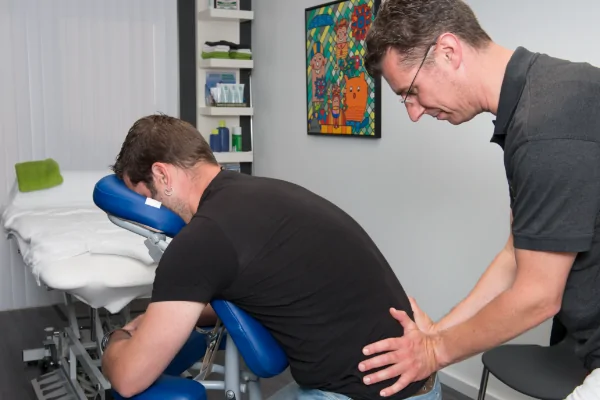
Treatment Options to Restore Stability After a Shoulder Dislocation

A shoulder dislocation happens when the ball of the upper arm bone slips out of its socket in the shoulder blade. It is a painful and often traumatic injury that affects athletes, active adults, and even those with joint instability from past injuries. Once it occurs, the chance of recurrence increases, especially if proper rehabilitation is not followed. That is why structured and progressive shoulder dislocation treatment is essential for restoring function and preventing long-term instability.
Read full blogHow Physical Therapy Improves Back Pain Caused by Poor Posture
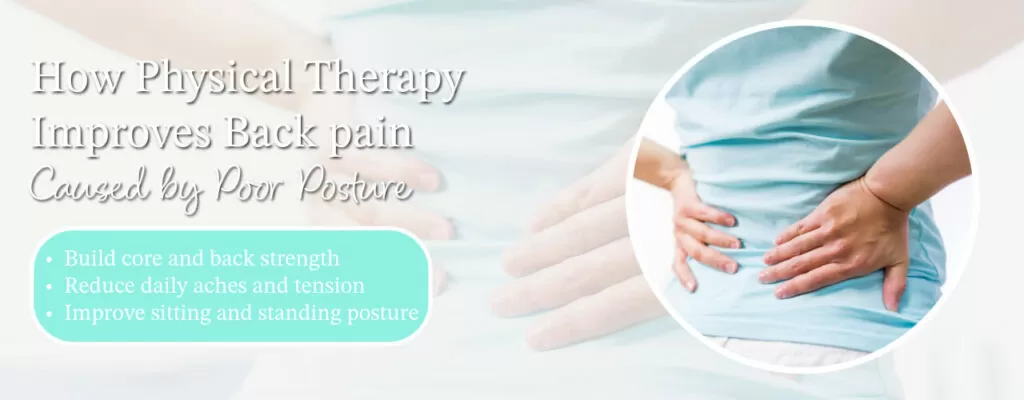
Poor posture is one of the leading contributors to musculoskeletal pain, particularly in the lower and upper back. For many patients, slouched sitting, extended screen time, and improper movement patterns can lead to discomfort that interferes with daily life. When Jennifer first came to , she had been living with back pain from poor posture for over a year. Her discomfort had gradually increased, eventually affecting her ability to sit at work, sleep comfortably, and stay active.
Read full blogPinched Nerve Treatment Options for Neck Pain Relief

Neck pain can be frustrating and limiting, especially when it’s caused by a pinched nerve. This condition often results in sharp pain, numbness, or tingling that radiates from the neck into the shoulder, arm, or hand. If you’ve been diagnosed with cervical radiculopathy or suspect a pinched nerve, understanding the right care approach is essential. Physical therapy offers proven, safe, and effective strategies for pinched nerve neck pain treatment.
Whether caused by poor posture, disc herniation, arthritis, or injury, a pinched nerve occurs when surrounding tissues compress or irritate a spinal nerve.
Read full blogKnee Replacement Recovery: What to Expect and How to Heal Faster
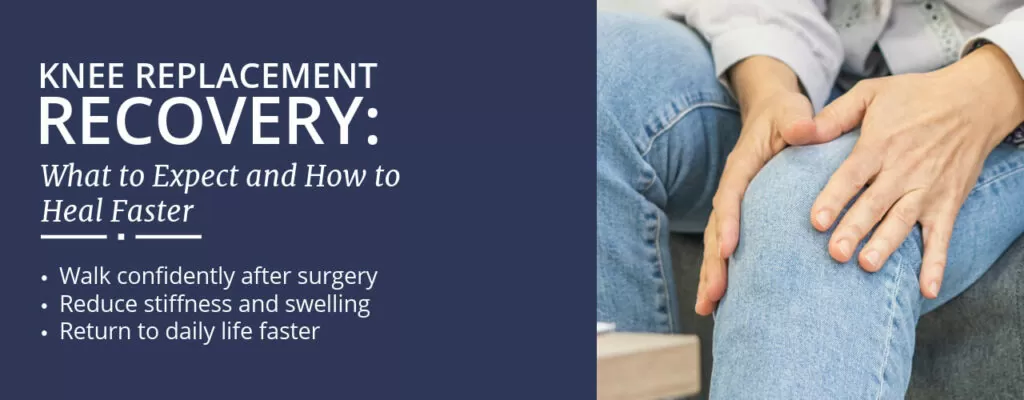
For patients living with persistent knee pain and joint damage, total knee replacement can provide much-needed relief and the opportunity to return to everyday activities. But the journey does not end after surgery. What happens during knee replacement recovery plays a critical role in the long-term success of the procedure.
At , our physical therapy team helps patients navigate every stage of recovery with personalized care, evidence-based treatments, and consistent support.
Read full blogIncorporating Plyometric Training in ACL Injury Prevention Programs
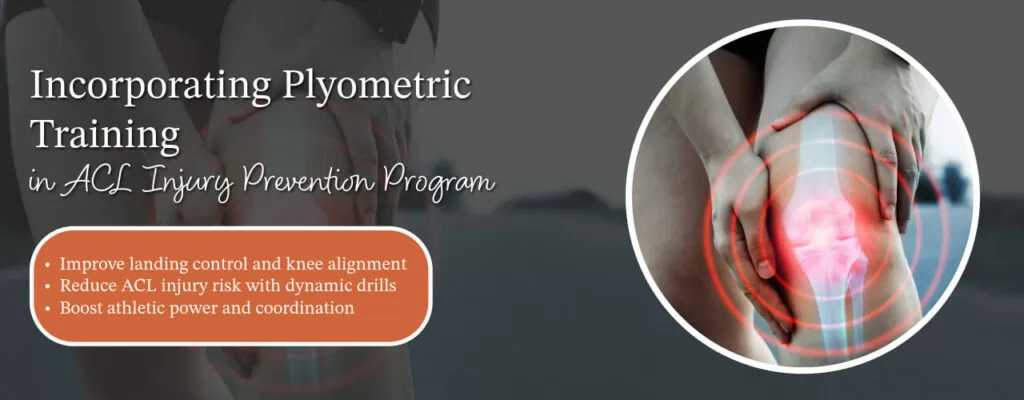
Jumping, landing, and changing direction are high-demand movements that place stress on the knees, especially the anterior cruciate ligament (ACL). While these motions are critical in sports, they also carry a high risk of injury if not performed with proper control. One proven approach to reducing this risk is plyometric training for ACL injury prevention, which focuses on teaching the body how to absorb force safely and respond to explosive movement.
At , our physical therapists integrate plyometric techniques into ACL prevention plans to help athletes and active individuals reduce injury risk and improve athletic performance.
Read full blogHow to Deal with a Rotator Cuff Injury from Sports
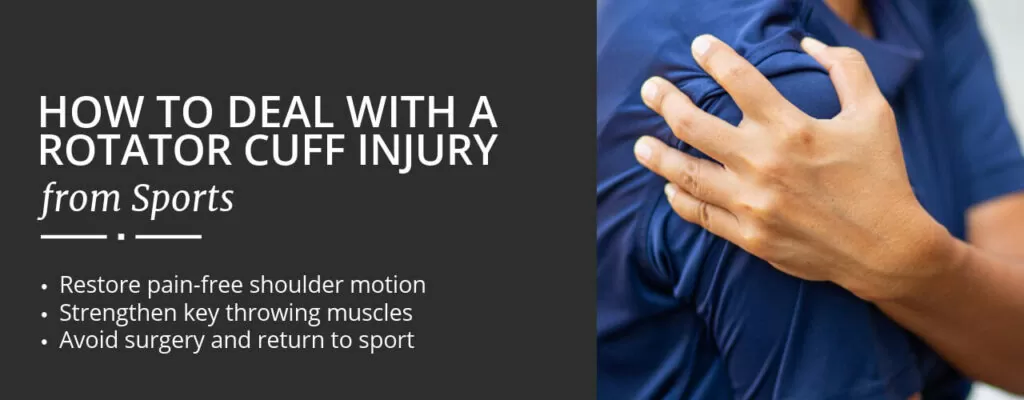
Rotator cuff injuries are common in athletes who participate in overhead or high-force sports. These injuries often involve pain, weakness, and difficulty using the arm during activity or daily tasks. When 17-year-old Ethan (not his real name) came to , he had been struggling with a rotator cuff injury from playing high school baseball. The pain in his throwing arm had been growing worse over several weeks, and it was starting to affect his performance and confidence on the field.
Read full blogHow Physical Therapy Helps Correct Neck Pain from Poor Posture
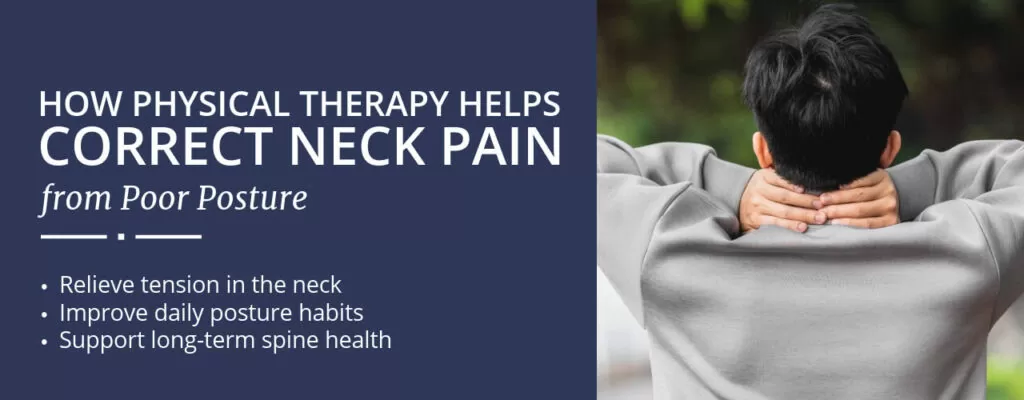
Neck pain is one of the most common complaints among adults, especially those who spend hours at desks, on mobile devices, or driving. Over time, these habits contribute to neck pain from poor posture, leading to discomfort, stiffness, and even radiating pain into the shoulders or arms. While some people attempt to fix the problem through self-care or posture reminders, working with a physical therapist often leads to more lasting and effective results.
Read full blogRunner’s Knee Treatment: How to Manage Pain and Prevent Setbacks
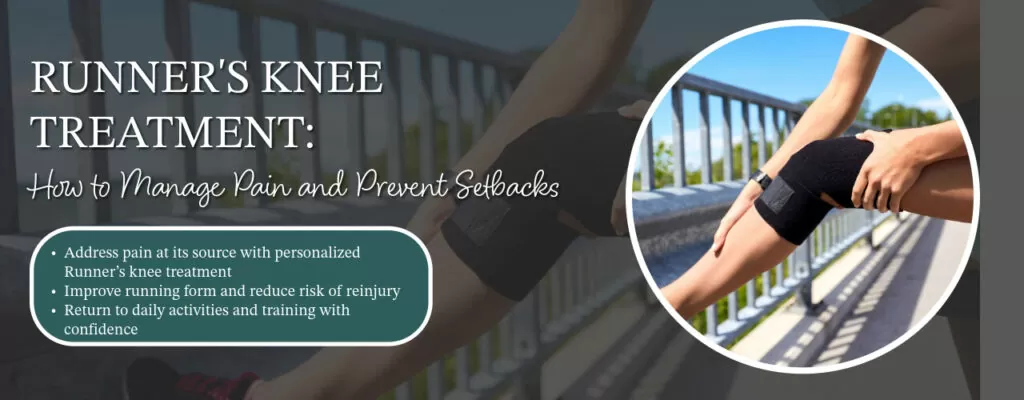
Runner’s knee, or patellofemoral pain syndrome, is a common condition among both recreational and competitive runners. It often develops from repetitive stress, improper tracking of the kneecap, muscle imbalances, or poor movement patterns. At , we see many patients dealing with this issue, especially those eager to return to sport safely and confidently, and are able to provide them with comprehensive runner’s knee treatment.
One such patient was Emily (not her real name), a 29-year-old distance runner training for her next half marathon.
Read full blogHow Arthritis Can Cause Knee Pain and What to Watch For

Knee pain can make everyday movement uncomfortable and frustrating, especially when it starts gradually and worsens over time. One of the most common causes is knee pain from arthritis, a condition that affects millions of adults and can limit mobility if not managed early. Understanding how arthritis impacts the knee joint and knowing what signs to watch for can help you take control and find the right support for long-term relief.
At , our physical therapists help patients identify the source of their knee pain and create tailored care plans to restore movement, reduce discomfort, and improve quality of life.
Read full blogChronic Knee Pain Treatment: Effective Solutions for Lasting Relief
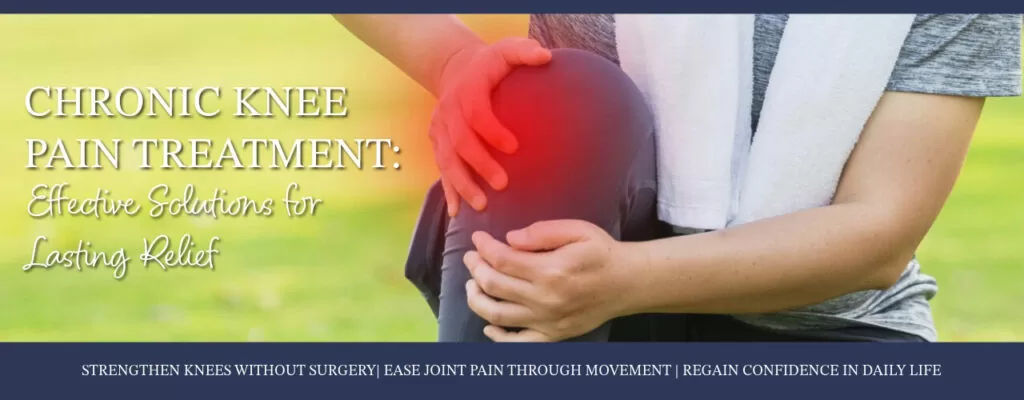
Living with persistent knee discomfort can interfere with daily activities, limit mobility, and reduce quality of life. Many individuals turn to Internet advice, quick fixes, or temporary aids without truly understanding the cause of their pain. Fortunately, physical therapy offers evidence-based chronic knee pain treatment that addresses both the symptoms and root causes.
This article explores common myths and misconceptions that often prevent people from getting the relief they need.
Read full blog